
Sleep Apnea and Snoring – Do I Need Treatment? | Pennsylvania Dental Sleep Medicine
Sleep Apnea and Snoring – Do I Need Treatment? | Pennsylvania Dental Sleep Medicine
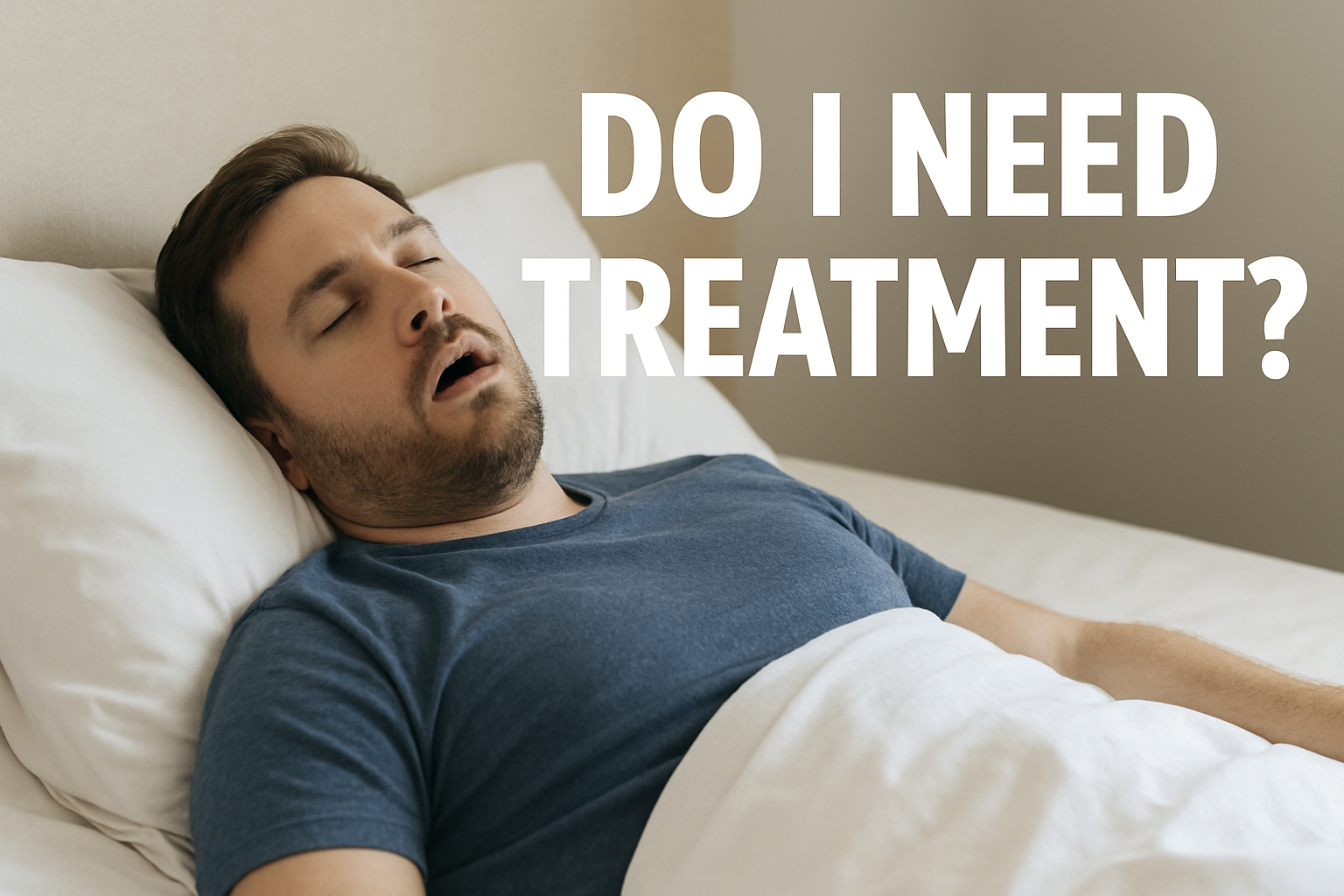
Snoring can be frustrating—for both the person snoring and their bed partner. But when does snoring cross the line from being an annoyance to being a sign of something more serious, like sleep apnea? While not every case of snoring means you have a sleep disorder, loud, frequent snoring can often point to obstructive sleep apnea (OSA)—a condition where your airway becomes blocked during sleep, causing repeated pauses in breathing.
Left untreated, sleep apnea increases the risk of high blood pressure, stroke, diabetes, and even car accidents due to fatigue. This makes it important to understand whether your snoring is harmless or if it’s a symptom of a condition that requires treatment.
Snoring vs. Sleep Apnea: What’s the Difference?
- Snoring: Caused by vibrations in the soft tissues of your throat as air struggles to move through a narrowed airway. Snoring by itself isn’t always dangerous, though it can still impact your sleep quality.
- Sleep Apnea: More serious than snoring. In obstructive sleep apnea, your airway repeatedly closes while you sleep, leading to shallow breaths or complete pauses in breathing. These episodes can happen dozens of times per hour and often result in sudden gasps or choking sounds.
Red Flags That Snoring May Be Sleep Apnea
- Loud, chronic snoring that happens most nights
- Witnessed pauses in breathing by a bed partner
- Gasping or choking while asleep
- Excessive daytime sleepiness or morning headaches
- Difficulty concentrating or mood changes
If these sound familiar, it may be time to seek an evaluation from a sleep professional.
How Common Is Sleep Apnea?
Sleep apnea affects an estimated 39 million adults in the United States . While snoring is even more widespread, studies suggest that nearly half of habitual snorers may have some form of sleep apnea . Men, people who are overweight, and older adults are at higher risk, but the condition can affect anyone—including women and children.
This makes snoring more than a minor inconvenience. If left untreated, it could be signaling a larger health issue.
The Health Risks of Untreated Sleep Apnea
Many people assume that sleep apnea just means they don’t sleep well. But the risks go far beyond fatigue:
- Heart disease & stroke – Repeated drops in oxygen strain the cardiovascular system.
- Type 2 diabetes – Sleep apnea has been linked to insulin resistance and poor glucose control.
- High blood pressure – Frequent nighttime awakenings cause spikes in blood pressure that can persist throughout the day.
- Daytime accidents – Untreated apnea can make you up to five times more likely to be in a car crash due to drowsy driving .
- Shortened lifespan – Research suggests severe, untreated sleep apnea may cut years off your life expectancy.
Treatment Options: Do I Really Need Help?
If your snoring is mild and doesn’t disrupt your life, you may not need formal treatment. But if it’s linked to sleep apnea, professional care is essential. Fortunately, effective treatments are available:
1. CPAP (Continuous Positive Airway Pressure)
A CPAP machine delivers steady airflow through a mask, keeping your airway open all night. It’s highly effective but can be difficult for some patients to tolerate.
2. Oral Appliance Therapy (OAT)
A sleep apnea dentist can provide a custom-fabricated oral appliance that gently repositions your jaw and tongue to prevent airway collapse. Many patients find these devices more comfortable and convenient than CPAP.
3. Lifestyle Changes
- Losing weight
- Avoiding alcohol before bed
- Changing sleep positions (side-sleeping often reduces apnea episodes)
- Practicing good sleep hygiene
4. Surgical Options
In severe cases, procedures that remove or reposition airway tissues may be recommended, though these are typically a last resort.
Talking to a Doctor or Dentist About Snoring
If you’re unsure whether your snoring is something to worry about, start by having an open conversation with your healthcare provider. They may recommend a sleep study (polysomnography) to evaluate your breathing patterns overnight.
If sleep apnea is confirmed, a sleep apnea dentist or sleep specialist can walk you through treatment options that fit your lifestyle. The important thing is not to ignore the problem—especially if your snoring is accompanied by fatigue, memory issues, or health complications.
Conclusion: Don’t Ignore the Signs
Snoring may be brushed off as “normal,” but when it’s loud, frequent, and paired with other symptoms, it could mean sleep apnea. Untreated sleep apnea doesn’t just disrupt rest—it threatens your health, safety, and quality of life.
If you or your loved one snores regularly, it’s worth asking: is this just snoring, or is it sleep apnea? Seeking professional evaluation could be the first step toward breathing easier, sleeping better, and protecting your long-term health.