
The Dangerous Truth About Snoring
The Dangerous Truth About Snoring | Risks, Causes, and Treatment
More Than Just an Annoyance
For many, snoring is brushed off as nothing more than a nighttime nuisance—something that disrupts a partner’s sleep or makes traveling with friends a little embarrassing. But the truth is, snoring can be much more than an annoyance. Frequent or loud snoring may signal underlying health issues, including sleep-disordered breathing and sleep apnea. Left untreated, it can have lasting effects on your health, daily energy, and even your relationships.
Why Do People Snore?
Snoring happens when airflow through the nose and throat becomes partially blocked during sleep. This causes the surrounding tissues to vibrate, producing that familiar sound. Common reasons people snore include:
- Nasal obstruction: Allergies, sinus infections, or structural issues like a deviated septum.
- Throat and tongue relaxation: Muscles relax too much during sleep, narrowing the airway.
- Obesity: Excess tissue around the neck can put pressure on the airway.
- Sleep position: Sleeping on your back allows the tongue to fall backward, increasing airway resistance.
Occasional, light snoring may not be cause for concern. But when snoring is loud, chronic, or paired with other symptoms, it can be a warning sign of something more serious.
The Link Between Snoring and Sleep Apnea
Snoring is one of the most common symptoms of obstructive sleep apnea (OSA), a condition in which the airway repeatedly collapses during sleep. People with sleep apnea often experience:
- Pauses in breathing (noticed by a partner)
- Gasping or choking sounds during the night
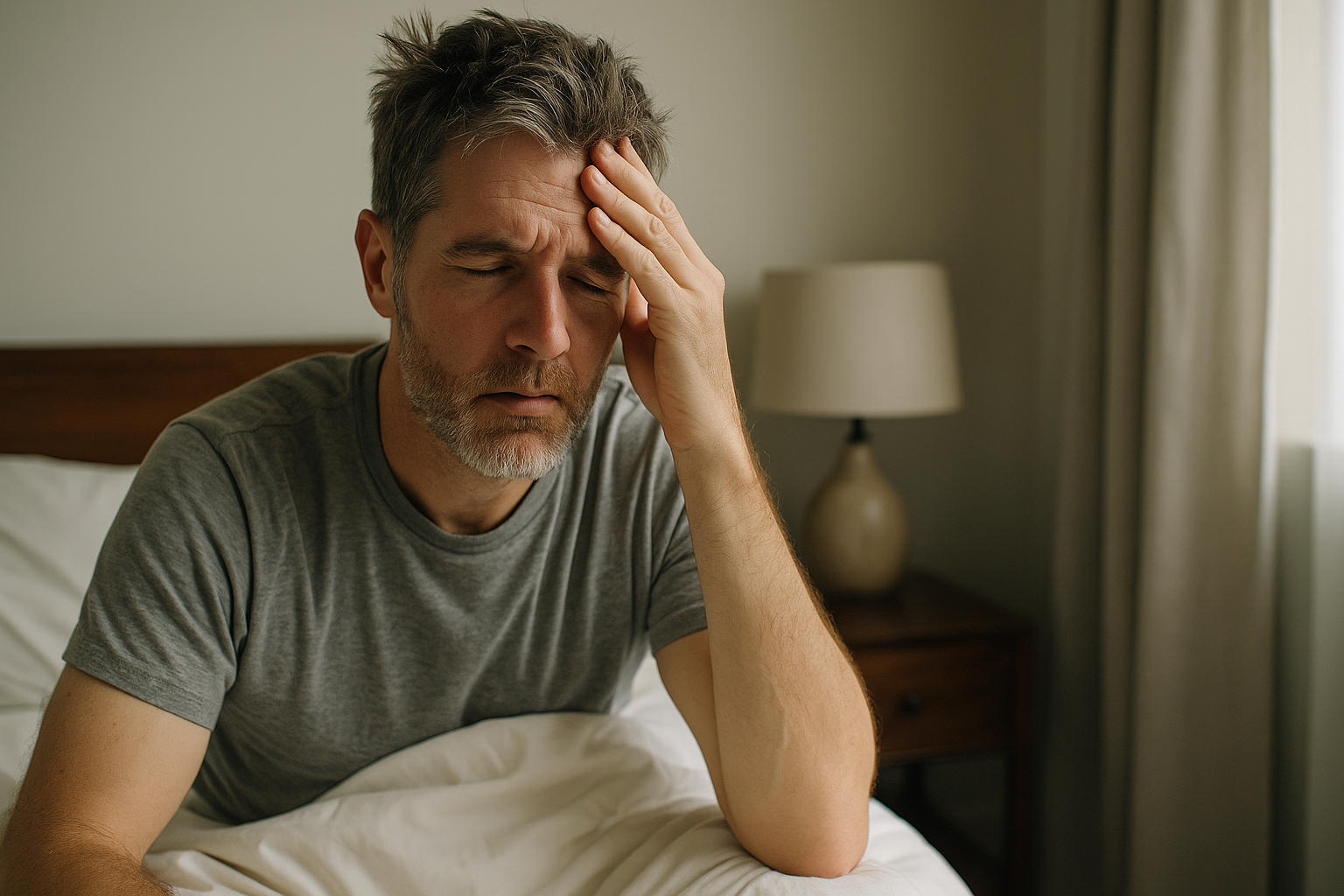
- Morning headaches
- Persistent fatigue, no matter how many hours they sleep
- Irritability, brain fog, or difficulty concentrating
Sleep apnea is linked to a variety of health risks, including high blood pressure, heart disease, diabetes, and stroke. This makes loud or chronic snoring a symptom that should never be ignored.
The Hidden Dangers of Ignoring Snoring
Snoring may seem harmless at first, but research has shown it can have major consequences:
- Cardiovascular strain: Constant snoring and disrupted breathing put stress on the heart and circulatory system.
- Poor sleep quality: Even if you don’t wake up, your body isn’t entering the deeper, restorative stages of sleep.
- Daytime fatigue: Tiredness can affect productivity, mood, and even driving safety.
- Relationship strain: Partners of heavy snorers often lose hours of sleep each week, creating frustration and tension.
Do I Really Need Treatment for Snoring?
Not everyone who snores needs medical treatment—but knowing when to seek help is key. You should consult a sleep specialist or a sleep apnea dentist if you:
- Snore loudly and frequently
- Stop breathing or gasp during sleep
- Wake up unrefreshed despite a full night in bed
- Struggle with daytime fatigue, memory problems, or mood swings
- Have other health issues like hypertension, diabetes, or obesity
Treatment Options for Snoring and Sleep Apnea
The right treatment depends on the cause and severity of the snoring. Options include:
- Lifestyle changes: Weight loss, reducing alcohol intake, and adjusting sleep positions can help mild snorers.
- CPAP therapy: Continuous positive airway pressure keeps the airway open throughout the night and is often prescribed for sleep apnea.
- Oral appliances: A sleep apnea dentist can provide custom-made devices that reposition the jaw or tongue to keep the airway clear.
- Surgical options: In some cases, procedures can correct anatomical issues that contribute to snoring.
Taking the First Step Toward Better Sleep
The most dangerous part of snoring is assuming it’s “just snoring.” In reality, it could be a red flag that your body isn’t getting the oxygen and rest it needs. If you or a loved one snores consistently, don’t ignore it. The sooner you seek help, the better your chances of restoring healthy sleep and protecting long-term health.
Conclusion: Don’t Sleep on Snoring
Snoring isn’t always a harmless quirk—it’s often a warning sign. By recognizing the dangers of untreated snoring, seeking professional evaluation, and considering treatment options, you can protect your health, restore your sleep, and improve your quality of life.